
10/15/2026
Personal stewardship is based in respectful listening and asking the right questions
by Chuck Toney
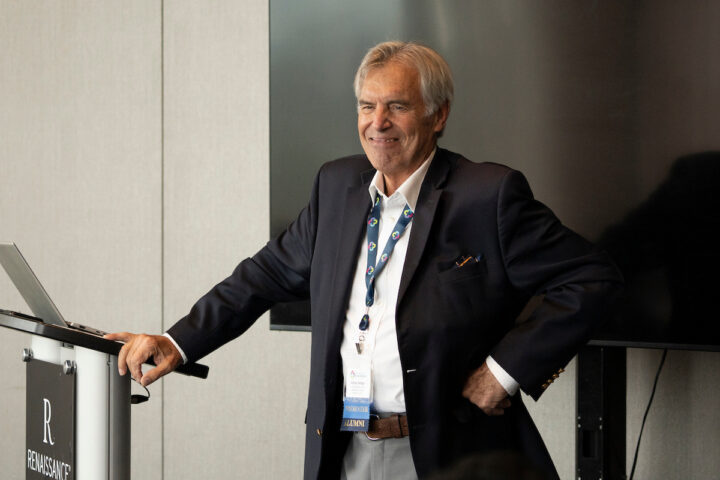
Asking for a major gift is the final step in a process of reflection, research, and relationship-building – and will be less intimidating if that preparation is completed successfully.
That was the message shared by Rev. Wesley Rediger during a workshop on cultivating and securing significant gifts in support of church financial priorities.
Rediger, pastor of First Presbyterian Church of Hartford City, IN, shared his private fundraising experience as it relates to church stewardship during a workshop at Stewardship Kaleidoscope 2026, a conference presented by the Presbyterian Church (USA) and Evangelical Lutheran Church in America; this year’s conference was held in Baltimore, MD, September 20 to 23.
Rediger told attendees that having a long-range plan and vision is crucial to cultivating major financial gifts. “Without a vision of three to five years out, the idea of major gifts is essentially moot,” he said. “Major gift prospects want their gift to make a real difference, not just save the church. It gives them the opportunity to become, in a sense, one of the owners.”
Rediger worked as a fundraising consultant for faith-based nonprofit organizations for more than 25 years before answering the call to ministry. He offered three steps to complete before asking a potential donor for a gift.
Reflection
Churches should devote time to a long-term plan and vision in the range of three to five years. Major gift donors need to see that you have thought critically about both needs and goals; they will assess your plan against their interests and see if there is alignment. Creating a case statement – a document that articulates and illustrates the plan, including clear financials – is an essential part of this process. “Turning a small, regular income gift to the general fund into a major asset gift requires a vision,” Rediger told the attendees.
Research
Major gifts are most often drawn from the donor’s assets – stocks, bonds, real estate, and other investments – rather than income. Pastors and church leaders usually have a sense of which members of the congregation have the capacity to make such gifts.
A quick Google search will produce news stories, social media posts, and other sources of information about gifts a potential donor has previously made. Wealth screening services will, for a fee, generate a report that provides data to confirm those assumptions and identify other potential donors.
Relationship-building
The third and most critical step in the process is relationship-building with the major gift prospects within the congregation. Most significant gifts are made because the donor’s passions align with the organization’s plan and because someone from the organization had taken the time to build a relationship with the donor. That, said Rediger, takes time and patience. It’s also good to remember that the donor knows they are being cultivated.
“When you have created a vision and identified the donors you want to approach, it’s time to begin building a relationship,” he said. “You must listen first to cultivate engagement. Can you hear a fit with the plan for your church in what they say about their passions and interests?”
Rediger recommends arranging two or three people to participate in these conversations, which creates a more comfortable environment for everyone. The personal connection is essential.
“Generosity at this level rarely happens because someone receives a letter or an email,” Rediger explained. “They need to see the passion in your eyes and hear it in your voice — that inspires confidence that their gift will make a difference.”
Making the Ask
It is not unusual to be anxious about asking someone for a significant gift. (What constitutes a major gift is specific to each organization – it could be $5,000 or as large as $1 million or more.) The good news is that anyone can participate in making the ask if they have prepared and are genuine in their commitment to the vision.
“Don’t think you don’t know enough, aren’t savvy enough, or aren’t high enough in your church’s leadership,” he encouraged participants. “It’s not about polished technique; it’s about helping the donor discern an opportunity. There is real joy in watching a donor become excited about your vision for the future.”
Rediger offered these tips for making the ask:
- Assign a church leader to each donor prospect and decide the amount to be solicited.
- Call to schedule an in-person meeting, preferably in the donor’s home or office, and be clear that you want to share the vision with them.
- Mail a case statement that includes suggested gift amounts that total the need and include a personal cover letter stating that you’re looking forward to discussing their possible involvement.
- Trust your preparation to help you feel comfortable.
- Begin with usual conversational language, remembering that they know why you are there because you made the appointment.
- Focus on talking with them, not to them.
- Suggested questions to transition to the asking phase:
- I’m interested in your story. Where did you grow up? Was church an important part of your upbringing?
- Based on your research into their charitable giving, ask about one of the projects they have supported. How do you feel about that gift?
- After referencing the case statement or flyer about the vision, ask how it fits into their values and interests.
- Finally: “After prayerful consideration, will you consider a leadership gift of (amount) over three years to support our vision?”
Then listen. Rediger shared a fundraiser’s axiom: The first one to speak loses. “The most important skill in asking for major gifts is to understand before being understood,” he said. “A good technique is to repeat what they have said back to them to reinforce that you have heard what they said. The donor has to know that you know what is important to them.”
Chuck Toney
Chuck Toney is the founder of C. Toney Communications in Athens, GA. Chuck is an elder who leads the Generosity Team at First Presbyterian Church of Athens. Send comments on this article to Robyn Davis Sekula, Vice President of Communications and Marketing at the Presbyterian Foundation, at robyn.sekula@presbyterianfoundation.org.
 English
  Korean
  Spanish