
9/27/2018
Planned Giving: 25 Ideas to Get You to the Next Level
by Presbyterian Foundation

Karl Mattison, vice president of Planned Giving Resources at the Presbyterian Foundation, brought a long list of engaging ideas to a workshop at Stewardship Kaleidoscope that challenged congregation members to consider their legacy.
“I admit to having a little bit of an obsession with data, but data can provide you with some macro-level pictures of what is going on with churches,” Mattison said. “Through the Stewardship Navigator, which is an aggregator of planned giving resources, I’ve learned from other people what is going fantastically well with planned giving programs, and I’ve also learned what doesn’t add value to a church’s program.”
Mattison doesn’t recommend doing a program from scratch, because it’s all been done. “Let’s share,” Mattison said. “That’s the benefit of us being connected. We need to use each other’s ideas.”
The ideas he shared at the conference will help church teams and get past the initial 24- to 36-months of their planned giving program with a really strong effort. “Once the church gets past the first two years, keeping the momentum gets a little easier,” he said.
Mattison was a workshop leader at Stewardship Kaleidoscope, the annual Presbyterian stewardship conference. The conference was held Sept. 24 to 26 in St. Louis. Stewardship Kaleidoscope covers all aspects of church giving, including the theology of stewardship, inspiring giving, endowments, stewardship for children and much more. The Presbyterian Foundation is a major sponsor of the conference.
Planned Giving Team
The first step in putting together the church’s planned giving team is to locate and contact your Ministry Relations Officer at the Presbyterian Foundation. You can locate your Ministry Relations Officer here. “You are what we do, why we are,” Mattison said. “Our purpose is to help churches gather and steward funds. Use us. We can help you with resources and lend guidance.”
Pastor support to the team is much more important than his or her expertise as a planned giving expert. “This is probably the most important thing to a successful program,” Mattison said. Data shows that PC(USA) churches with highly successful bequest programs had full pastoral support for the team and its work. “The people who love what the pastor is doing will do it well when the pastor supports them,” Mattison said. When the pastor acknowledges and thanks the team for their effort, the results are higher. 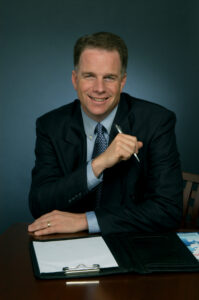
Mattison recommends having a separate committee for planned giving, but he acknowledges that it might be difficult for a small church to field a separate one. A position description should outline general expectations, activities, requirements, qualifications for team membership. Without such a description, the committee may not know what to do.
Assign areas or tasks for 24 months out. Placing information in the church’s newsletter every month for anywhere from one year to three years helps keep the program top-of-mind. Mattison also recommends that the team consider occasional “online” meetings to help those involved who have active families stay engaged. It helps them with time management, and may keep them from dropping out of the planned giving team. Planned Giving Navigator offers a central repository for policies and documents, Mattison said.
Staff and Leadership Training
Outside of the pastor, buy-in from other staff and leadership is critically important too. Hold a luncheon and provide basic planned giving training. From the church’s Session to those answering the phones in the church office, teach them about planned giving, words they need to recognize, and why it is important to the church. A program’s success can sometimes hinge on an important call that comes in – but the message never gets to the right person to respond. “Just making them aware that the average size of a planned gift is 2.74 times the size of someone’s lifetime annual giving can demonstrate impact,” Mattison said. Sharing this helps staff and understand that they have a role and can help plant the seed.
Language is another area that impacts a program. Remove the technical language and put in language that inspires members to give. Talk about the church’s mission, not its budget and buildings. Discuss possibilities, not limitations; highlight opportunity, not scarcity.
Members
“From the member’s perspective, a planned gift not just a financial gift,” Mattison said. “This is a gift of a lifetime. Planned gifts are likely the most significant gift a church’s members will make. Many are using homes and retirement accounts, really all their assets to make this gift. We don’t want our faithful members to just view this as a transaction. When that’s the case, there is a missed opportunity for them to really feel their gift. They might miss the best part – imagining the impact they are going to have on the next generation.”
A Legacy Society is a way to recognize and appreciate members. It is a tremendous catalyst and can open the door to planned giving conversations among members. “It helps share the stories of those who show their passion and love for the church through their gifts, regardless of size,” Mattison says.
Messaging
“Dripping the planned giving message should be done on a constant basis – at least seven times a year,” Mattison said. These are not messages directly asking for a gift. These are messages about planned giving that are shared through sermons, donor stories and impactful video messages demonstrating the opportunities that planned giving provides. If your congregation needs help, there are many resources on the Foundation website. You can find everything from sermon CDs that help pastors talk about planned giving to bulletin inserts to brochures that help members compose their legacy to guides that help church teams develop a planned giving program.
Planned Giving Navigator offers brochure templates covering a variety of planned giving topics customized with your information and generic planned giving videos.
Websites
“Always have planned giving in front of people on your website,” Mattison said. “It can be really simple, but at a minimum should include a ‘Give Now’ button on the site, preferably in upper right corner.” That button can link to another page about giving. “Put a wish list of things – above and beyond the budget – on the site. It helps members see directly where the need is and might spark interest.”
For those who want to enroll, the Planned Giving Navigator has web pages templates that can mimic your own church’s design features and add relevant content and functionality.
Events
Getting people to events can be difficult. Make them fun, unique and not about asking for money, but rather about how to pass along values or in the case of young families, take care of their children. Skits and musicals are two fun ways to get the message across.

Presbyterian Foundation
 English
  Korean
  Spanish