
4/8/2026
Those in small church ministry in the PC(USA) hear from two of their biggest proponents
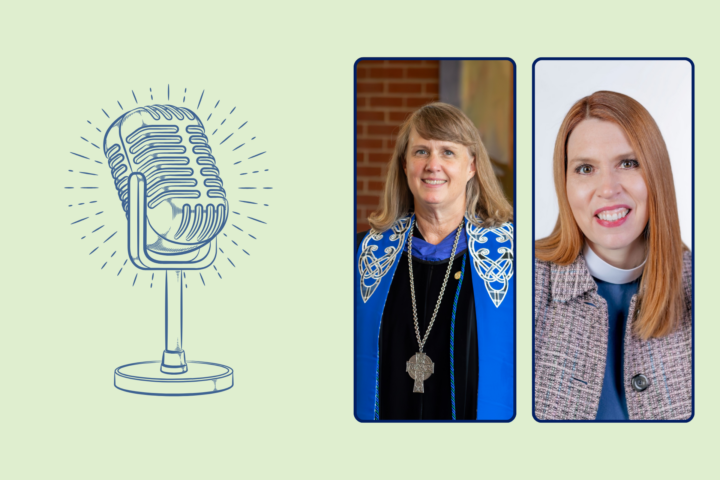
The Rev. Dr. Beth McCaw and the Rev. Shelli Latham, two leaders in the movement to help train leaders for small churches, joined the Rev. Bill Davis for the most recent edition of “Leading Theologically.” Listen to their 35-minute conversation here.
McCaw is the dean of the University of Dubuque Theological Seminary. Latham is president of Omaha Presbyterian Seminary Foundation. Both have a heart — and a track record — for helping small PC(USA) faith communities build effective leadership. Davis is senior director for Theological Education Funds Development at the Presbyterian Foundation.
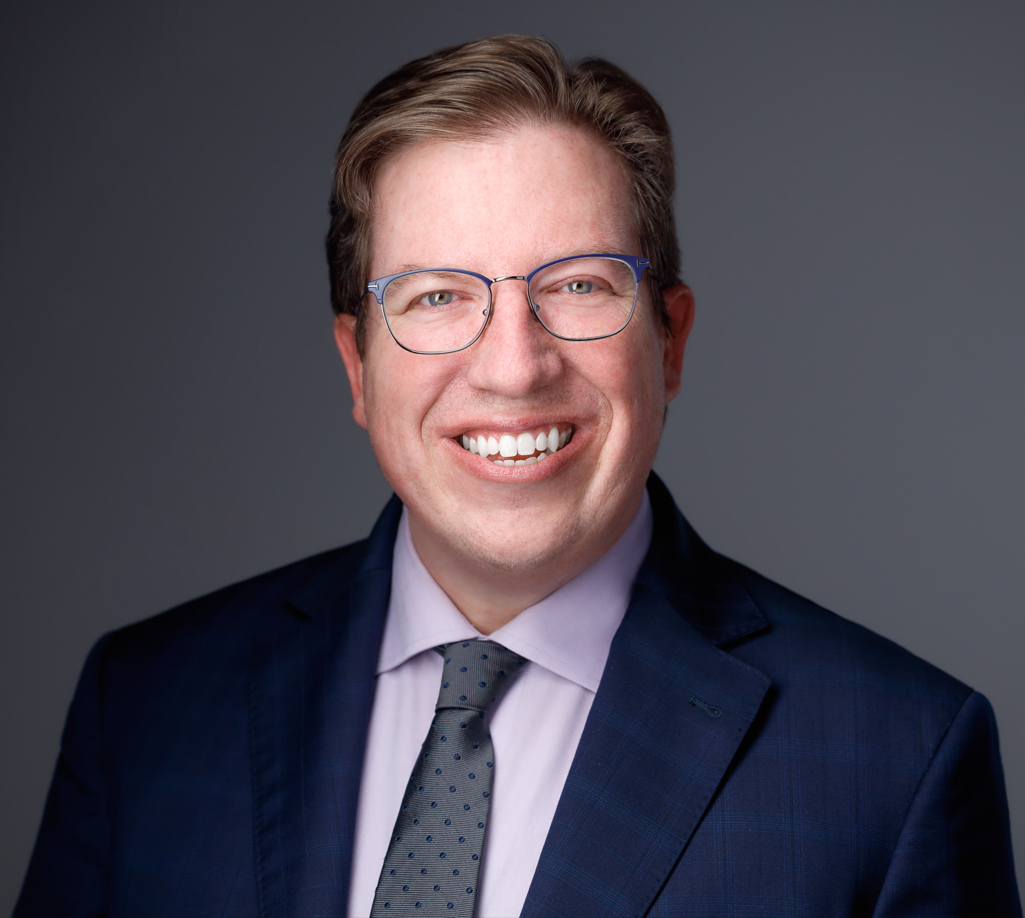
The Rev. Bill Davis
“This is really where my home is these days,” McCaw said. McCaw’s service includes years spent in Namibia and rural Montana, where she was “deeply appreciative and moved by the creativity and hope and freedom that some of the small congregations have.”
“At a time when there’s an epidemic of loneliness or disengagement,” she said, “I think small churches can hold special promise for pulling people together and nurturing folks holistically.”
Latham noted that Omaha Presbyterian Seminary Foundation was founded as a seminary in 1890 “to serve the frontier” between McCormick Theological Seminary and San Francisco Theological Seminary, “a lot of wide open spaces and small towns and thriving and not thriving congregations that were small from the beginning,” she said. These days, “it’s exciting to be doing something that’s really relevant. To think about serving church at all means we have to think about nurturing churches and the leaders who are in small congregations.”
For many who minister in small church settings, there’s “a really different trajectory in theological education” from the standard Master of Divinity degree, Latham said. People “see a vacuum and an opportunity and they think, ‘could this be mine to step into?’ but they’re constrained geographically or financially or time-wise — but eager to serve,” Latham said. “We haven’t necessarily caught up to equipping people where they are for the ministry they could be doing right now.”
“I’ll run into pastors who will say, ‘Seminary did not prepare me for this,’” McCaw said. She tells them: “Good news! We’re not teaching in the same way as we did when you went to seminary 30 years ago. We’ve kept apace with very new and fresh forms of what church is.”
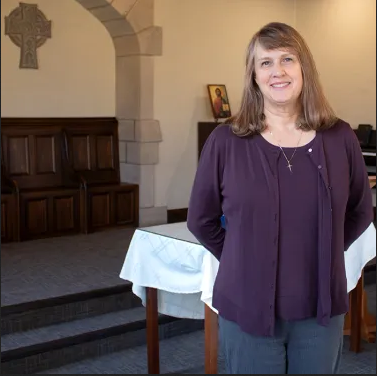
The Rev. Dr. Beth McCaw (Photo via the University of Dubuque Theological Seminary)
“Most of our learners are already in ministry,” McCaw noted. “We’re training them in place, in the laboratory of their local context.” That represents “a great hope of better ecclesiology and restoring ministry to the full breadth of God’s people.”
Davis wondered: What is essential today for a small church leader?
McCaw said the need to be nimble and responsive is spelled out in The Great Ends of the Church. “There’s something very anchored to the faith but also transcendent and flexible in the forms we can express that,” she said. “If we can form our learners in a way that they appreciate the gift of the gospels and of this tradition — but they also sense a lot of freedom and have trained muscle memory for leaning in and interpreting that for the church today — that will serve us for the long haul and in multiple contexts.”
“It’s a fun and exciting time to be in congregational ministry, even while being scary, because we have long proclaimed that we believe in the priesthood of all believers and now we’re in a time when the rubber meets the road,” Latham said. “We need an equipped laity. We need all the gifts of all the people who are in our congregations.”
OPSF recently launched online Certificate in Proclamation training to equip people to engage Scripture in worship and to explore homiletics and Reformed theology. “We have to do these things in the context of people already in ministry,” Latham said, “and discovering ministry as they’re learning.”
“Equipping our leaders for their own internal journey through spiritual direction and peer learning groups in community and anchoring people in communities of support” may not sound like theological education, Latham said. “But we have to learn how to care for ourselves as these agents and disciples for Christ’s glory. The muscle memory of how you develop spiritual practices that are going to sustain you in ministry is so incredibly important.”
McCaw is directing a Lilly Foundation Thriving Congregations grant called Plentiful Gifts. “The thesis behind it is there is great wealth across the pews in a 25-member church because there are 25 members of the body of Christ,” McCaw said. “In our training we talk about not being number one on everybody’s speed dial, but how can we get them to call each other? I appreciate that vision for equipping the whole body of Christ to bring joy and freedom.”
The ordination vows for ordered ministry in the PC(USA) include promises to serve with energy, intelligence, imagination and love. “Sometimes people think, imagination — that’s sort of a whimsical one,” McCaw said. “No, this is such a serious capacity. As I work with small churches, I am concerned that people’s and congregations’ imaginations are almost wholly consumed with nostalgia and grief. They are using their powers for envisioning things to measure what they remember, and that eclipses what could be possible.”
“We need to do our grief work,” McCaw said, “and learn to exercise the imagination in a very deliberate way to recognize our life is springing up in what will be the next chapter.”
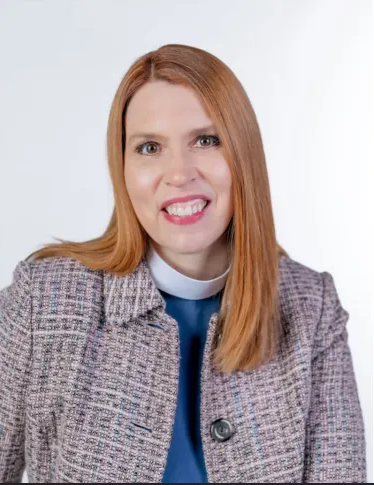
The Rev. Shelli Latham (Photo via Omaha Presbyterian Seminary Foundation)
Spiritual practices represent “a growing edge for me,” Latham said, “and I think that is the case for a lot of our leaders who had pretty heady theological training.” She recommended resources including Backstory Preaching, which is “doing great things with worship preparation as a spiritual discipline.” She said she’s rereading Barbara Brown Taylor’s “An Altar in the World,” which “talks about how you take ordinary tasks — the sights and smells around you — and you find God in those.”
Asked by Davis what gives them hope about small church ministry, Latham said it’s “the engagement of the congregation every day and the work of caring for one another and creating beautiful things in worship.”
“I think we are in a time in which we can really take seriously … that we’re all ministers,” Latham said. “That’s not lip service. We are, and if we can equip our congregations to believe that about themselves — to trust that God has a place and a purpose for them — these tiny churches are doing amazing things with incredibly limited resources.”
“Whole soup kitchens are thriving in these churches. They see a need and they see an opportunity, and they’re doing it. I’m impassioned by small church ministry,” Latham said. “I think it’s a hopeful time if we can, like Beth is saying, stop looking backward and embrace the opportunity that is before us and really live into it.”
As they’ve become smaller, some churches in their “need to find new ways to be themselves have been freed of old models of what must constitute being a real church,” McCaw said, including “you must have a chancel choir and you must have a two-week Vacation Bible School. They are free from that.”
When she was ministering in western Montana, “I was fascinated to see what different churches were just making up,” McCaw said. “What works? What’s our mission? Small churches are highly contextual, and each one is unique. I’m inspired by that.”
“All churches can learn from smaller churches, who are leaning in to great inventiveness,” McCaw said. “They’re saying, ‘What works now to bear this life-giving gospel in our neighborhood, in our community? I’m very inspired by these models.”
Watch previous editions of “Leading Theologically” here.
 English
  Korean
  Spanish