
12/8/2025
Stewardship and snowbirds: Keeping seasonal members in the loop on stewardship
by John C. Williams
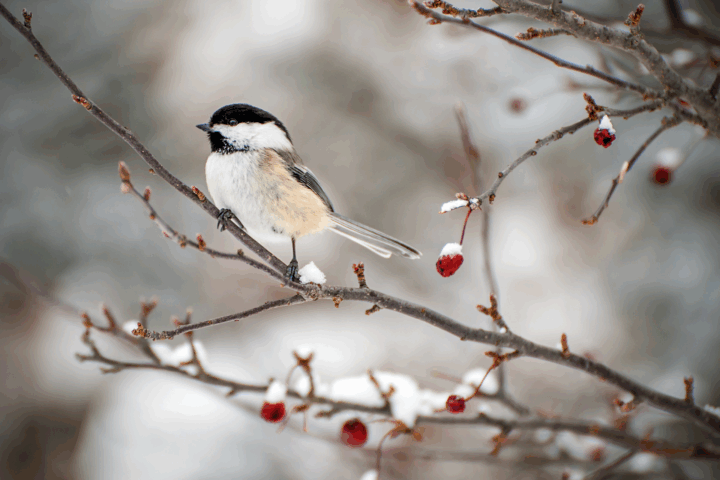
 You can call them snowbirds or “seasonal visitors,” but they are often an untapped resource in many church communities.
These part-time residents typically exit their colder homes in the northern USA and head for sunnier, warmer, non-snow-shoveling second homes in warmer climes from November through March.
People in the hospitality industry love the influx of revenue. People who drive crowded highways – think Clearwater Beach and Miami in Florida – often have a different opinion.
But what about church life? Many of these part-time residents choose to visit our churches for months at a time and some of them return year after year, becoming part of the annual flux and flow. While it’s wonderful to greet them and welcome them back into the temporary fold, how can you migrate them to participate in your church stewardship?
Sherry Kenney lives in Colorado and Arizona, two hotspots for snowbirds. She is a former Ministry Relations Officer for the Presbyterian Foundation and continues to serve as a coach for the organization.
“For seasonal residents to invest in the mission of a church they’re attending part-time, it’s important they understand what the mission is, and that becomes a little more challenging,” she said.
“It means employing all the communication tools at our fingertips – outdoor signage, website, e-newsletters, email, snail mail, online recorded services, social media, and the old-fashioned phone call. In my opinion, a church really can’t do too much to let its constituents know the difference that the church’s presence, and their giving, makes in the community,” Kenney said.
Remember, stewardship is more than just giving money. Part-time visitors, like our full-time church members, can give their time and expertise. For your regular and returning winter visitors, think of opportunities for them to share their time helping in Sunday School, with Wednesday evening family nights, or other recurring events in the life of the church.
Or, ask them to share their knowledge and skills – many will have come from successful careers in the corporate or non-profit worlds. Invite them to join your finance/budget committee, your mission committee work, or to help with newsletters and public relations.
“A Florida pastor decided to invite a seasonal resident to be a member of the stewardship committee (last) year,” Kenney said. “Planning meetings began in early October, and the man hadn’t yet returned to Florida, but he’s able to attend virtually and be a part of the conversation, and no doubt will have valuable insights about engaging other snowbirds in giving to the church.
“This church has great database segmentation, so they are able to craft a special series of messages for this constituency,” she said. “The pastor knows his snowbirds give; what he would like to change is to receive a giving commitment from some of them.”
Being able to manipulate the database is essential. It lets a church search by all sorts of categories – donors who have given each year for the past five years, first-time donors, donors over a certain amount, donors from outside your city, region or state, and so on. From there, specific messages can be tailored to each group – such as seasonal residents – through email or even direct printed mail.
As another example, she points to an Arizona church that created a membership category called “associate,” allowing seasonal residents to declare a more robust commitment than just being a regular visitor.
“This is a protestant community church with a PC(USA) pastor. I assume a financial commitment is more likely to occur when people choose associate membership, even more so when they commit to regular attendance and participation,” Kenney said.
During the recent Stewardship Kaleidoscope conference, a pastor from upstate New York in the audience of a stewardship workshop asked how he could better engage with snowbirds. Another audience member suggested that the church could hold a “welcome back snowbirds” event each spring, when the majority had typically returned to New York, and provide an update on what happened at the church in the winter months. This could include a stewardship update. Any type of engagement is helpful in helping snowbirds connect with their church and support it with monetary donations as well as gifts of time and talents.
The church could also ask the snowbirds to share ideas from their other church, as many snowbirds attend a second church in their other location. The “cross pollination” could be a great learning experience.
Don’t think of your snowbird members as people who drop in and drop out. Think of them as returning members who make a conscious choice to attend your church, to be a part of the life of the church.
It’s up to you to invite them to expand that life – and like so many things we encounter, it’s usually a matter of simply asking them.
John C. Williams
John C. Williams is a veteran writer with his own PR firm specializing in helping K-12 education, government and non-profits tell their story. He is a 30-year member at Sea Island Presbyterian Church in Beaufort, South Carolina.
 English
  Korean
  Spanish